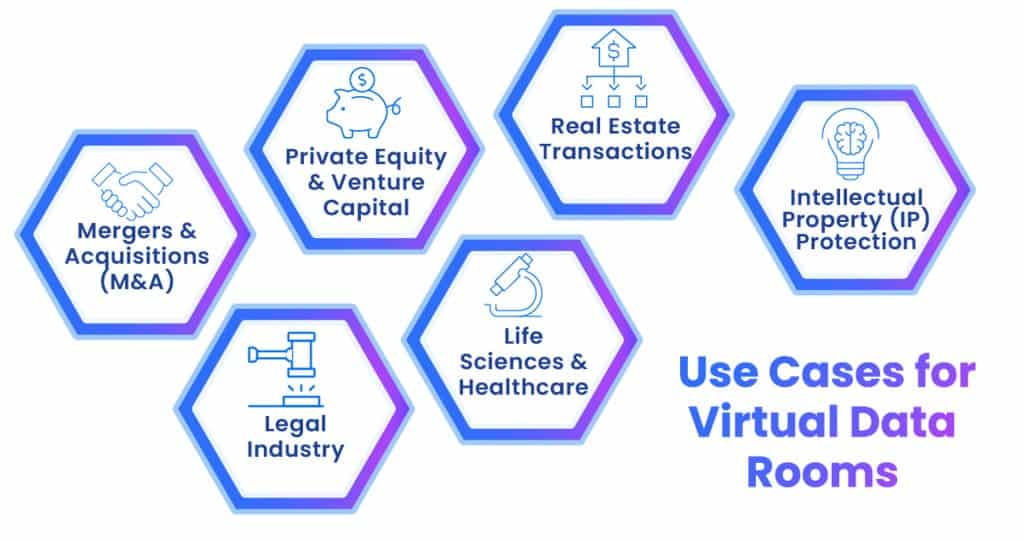
Capital moves through several stages before a business reaches long-term growth. Each stage involves confidential information that investors, lenders, and advisors need to review carefully. A virtual data room keeps these records secure, organized, and accessible throughout the process. This article explains how it supports every major phase of the capital lifecycle.
Supports Fundraising With an Investor-Ready Data Room
Fundraising requires founders to present financial statements, capitalization tables, incorporation records, intellectual property files, customer contracts, and business plans to potential investors. A virtual data room provides a secure repository where these documents remain organized and accessible throughout investor discussions. Solutions such as Ideals help companies prepare confidential information before fundraising begins, allowing investors to review files without relying on lengthy email exchanges.
Organized Information Builds Investor Confidence
Investors frequently request additional reports, updated forecasts, or supporting legal documents before making funding decisions. An organized data room allows founders to upload revised files once, ensuring every authorized reviewer accesses the latest version. This approach reduces repeated requests, improves communication, and helps investment discussions move forward more efficiently.
Business Structure Changes Require Centralized Document Management
Business growth frequently brings ownership changes, new shareholders, and corporate restructuring. These developments create important governance and legal records that require careful management. Executives, investors, and legal advisors may need to review these documents throughout the capital lifecycle.
A centralized data room keeps shareholder agreements, board resolutions, corporate records, and compliance files in one secure location. Version control helps maintain accurate documentation whenever updates occur. Authorized users can quickly locate current files and review previous versions without searching through multiple storage locations.
Mergers and Acquisitions Depend on Secure Collaboration
Mergers and acquisitions involve buyers, sellers, attorneys, accountants, financial advisors, and company leadership. These participants review financial records, contracts, compliance documents, operational reports, and other confidential information before completing a transaction. A virtual data room allows multiple teams to collaborate from one secure workspace while protecting sensitive business information.
Permission Controls Improve Transaction Efficiency
Different participants require different levels of document access throughout an acquisition. Permission-based controls, document activity tracking, and organized folder structures help administrators share relevant information without exposing unnecessary files. This level of control improves collaboration and supports faster due diligence and negotiation processes.
Acquisition Financing Relies on Reliable Business Information
Lenders and investors carefully evaluate business performance before approving acquisition financing or expansion capital. Financial statements play an important role in that assessment. Customer agreements, tax records, liabilities, and operational documents also support the review process.
A well-maintained data room allows reviewers to verify information more efficiently. This organized approach reduces administrative delays and improves confidence throughout financing discussions. Platforms such as Ideals support secure document sharing from the initial review through final approval.
Long-Term Value Creation Continues Beyond the Transaction
The capital lifecycle does not end after fundraising or an acquisition closes. Companies continue pursuing new investments and strategic partnerships as they expand. Future financing opportunities also require accurate business records.
A virtual data room preserves organized documentation for these activities. It supports board reporting and simplifies regulatory reviews. Businesses can prepare for future transactions without rebuilding records from the beginning.
A virtual data room supports much more than a single fundraising event. Secure document management, controlled information sharing, and efficient collaboration create value throughout every stage of the capital lifecycle, from investor preparation to post-transaction growth. Businesses that maintain organized records remain better prepared for future financing, strategic opportunities, and changing stakeholder requirements. Strong information management creates a solid foundation for confident business decisions and sustainable long-term growth.