
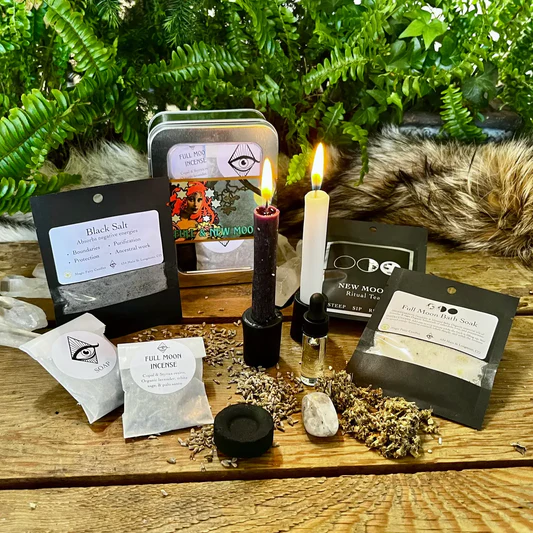
A spell kit is a carefully assembled collection of ritual tools designed to support a specific intention, such as protection, love, abundance, or cleansing. People are often drawn to these kits because they simplify the process of ritual practice and reduce the need to gather and research individual components separately. To better understand what includes on the Ritual Spell Kits, it helps to break down each element and learn how it contributes to the overall practice.
For broader historical context on ritual and symbolic practices across cultures, you can explore general references on magical traditions. For safety awareness—especially when working with candles, incense, or fire-based tools—basic fire safety guidelines from official emergency preparedness sources are always recommended.
This guide walks through a typical spell kit structure, what it usually contains, and how to use it step-by-step in a safe and intentional way.
What’s Inside a Typical Spell Kit?
Most spell kits follow a similar structure, although the exact contents may vary depending on intention and design. Each item plays a symbolic or practical role in supporting the ritual process.
Intention Candle or Candles
The candle is often the central element of a spell kit. It may come as a single candle or a set of smaller candles.
Its purpose is to represent focus, transformation, and the duration of the ritual itself. The act of lighting a candle marks the beginning of the practice and helps create a dedicated mental space for intention-setting.
Candle safety is essential. It should always be placed on a stable, heat-resistant surface and never left unattended while burning.
Herbs or Botanical Blends
Many kits include a selection of dried herbs or plant-based blends.
These ingredients are used symbolically to reinforce the intention of the ritual. Depending on the kit’s purpose, herbs may represent calming energy, purification, attraction, or grounding.
They can be placed in small containers, used in sachets, or arranged around the ritual space. It is important to ensure they are kept away from open flames.
Crystal or Stone
A crystal or stone is commonly included as a stabilizing and symbolic element.
It is often used as a physical reminder of the intention set during the ritual. Different stones are associated with different themes such as clarity, grounding, emotional balance, or motivation.
Crystals are typically held during reflection, placed near the candle, or carried afterward as a reminder of the intention.
Ritual Oil or Anointing Oil
Some kits include a small bottle of oil used for symbolic application during rituals.
This oil is often used to mark intention on candles or applied lightly to objects used in the ritual. It can also serve as an aromatic cue that helps signal focus and presence.
Before applying directly to skin, it is generally recommended to test for sensitivity.
Salt or Cleansing Element
A cleansing component such as salt is often included to represent purification and protection.
It may be used to symbolically clear energy, define boundaries, or support grounding practices. In some cases, it is placed in a bowl, used in a bath, or lightly sprinkled in designated areas before being cleaned up after the ritual.
Instruction Card or Guide Sheet
Many spell kits include a simple instruction card or guide.
This provides structure for beginners and helps ensure the ritual is performed in a clear and intentional way. It often outlines basic steps, timing suggestions, and reminders for safe practice.
How to Use a Spell Kit Step-by-Step
Using a spell kit effectively involves both preparation and mindful execution. The process is designed to focus attention and reinforce intention.
Step 1: Choose the Right Timing
Timing can play a role in shaping the focus of a ritual.
Many people align their practice with natural cycles such as the new moon for beginnings or the full moon for release and completion. These cycles can help provide a sense of rhythm and structure.
Step 2: Prepare and Clean Your Space
Before beginning, it is helpful to create a clean and calm environment.
This can include tidying the area, removing distractions, and ensuring proper ventilation if candles or incense will be used. A prepared space helps support concentration and focus.
Step 3: Set a Clear Intention
A clear intention is one of the most important parts of the process.
It should be written or spoken in a simple and direct sentence. Instead of vague ideas, the intention should focus on one specific outcome or goal to maintain clarity and direction throughout the ritual.
Step 4: Arrange the Kit Components
Each item should be placed intentionally within the space.
Typically, the candle is placed centrally, with herbs or salt positioned nearby. The crystal is often placed close to the candle, while written intentions may be placed beneath or beside it if appropriate.
This arrangement helps create a structured focal point for the ritual.
Step 5: Activate the Ritual
The ritual begins when the candle is lit and the intention is spoken aloud.
This moment represents activation and focus. If oils are included, they may be applied beforehand in small amounts as part of the preparation process.
Step 6: Focus and Reflect
Spend a few minutes in quiet focus during the ritual.
This may include visualization, breathing exercises, or simply observing the flame while holding the crystal or repeating the intention. The duration is less important than the quality of attention given.
Step 7: Close the Ritual
Closing the ritual is an important step that signals completion.
This may involve extinguishing the candle safely, storing items in a designated space, or leaving certain objects in place as reminders of the intention.
Herbs or natural materials should be disposed of respectfully based on their type and safety considerations.
Step 8: Take Practical Action
After completing the ritual, it is helpful to take one real-world step aligned with the intention.
This might include sending a message, completing a task, or making a decision that supports the goal set during the ritual. Combining action with intention helps reinforce consistency and progress.
Common Mistakes and How to Avoid Them
One common mistake is overcomplicating the ritual. Simplicity is often more effective than adding too many elements at once.
Another issue is neglecting safety, especially when working with candles or heat sources. Proper supervision and safe placement are always necessary.
A third mistake is failing to connect the ritual with real-life action. Without follow-through, intention-setting remains incomplete.
Final Thoughts
A spell kit is most effective when approached as a structured and mindful practice. Each component serves a purpose, from candles and herbs to crystals and cleansing elements. When used with clear intention, focus, and practical action, these tools can help create a meaningful and grounded ritual experience that supports personal goals and reflection.